

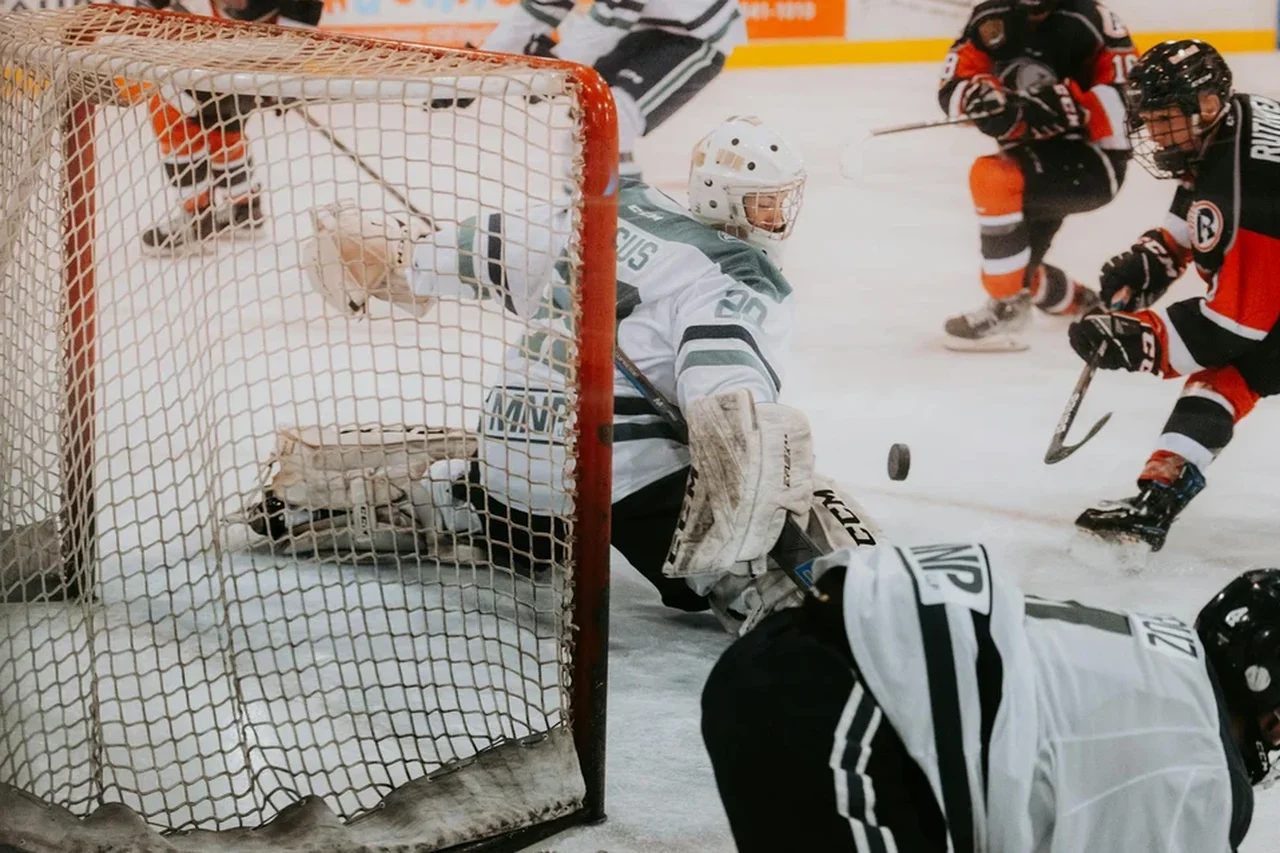
So, you’ve dug out an old box from the basement or stumbled upon a treasure at a flea market, and you’re wondering what that piece of Montreal Canadiens history might be worth. The world of vintage Habs collectibles is vast and fascinating, but it comes with its own language. Whether you're a seasoned collector or just starting, understanding the key terms is the first step to knowing what you have. This guide will walk you through the essential vocabulary for valuing your cherished Canadiens memorabilia.
Provenance
This refers to the documented history of an item's ownership. For a vintage collectible, a clear provenance—like a letter of authenticity from the player, a photo of it being signed, or a receipt from a known event—can dramatically increase its value. It’s the story that proves your piece is the real deal and not just a well-made replica.
Game-Used
An item that was actually worn or used by a player or team official during an official NHL game, practice, or team event. This includes jerseys, sticks, gloves, and skates. Game-used gear is the holy grail for collectors, with value heavily dependent on the player’s significance, the item’s condition, and the specific game it was used in.
Team-Issued
This describes equipment that was made for and allocated to the team by official suppliers (like CCM or Reebok) but was never actually worn in a game by a specific player. These are often high-quality, on-ice spec items that might have been extras. They are valuable but typically command a lower price than a verified game-used piece.
Photomatch
The process of authenticating a game-used item by matching its unique wear patterns, marks, or repairs to a specific photograph or video footage from a game. A successful photomatch is the gold standard for authentication and can skyrocket an item's value and desirability.
Patina
The natural aging and wear on an item, like the fading of fabric, cracking of leather on a vintage goalie mask, or tarnishing on a metal pin. In collectibles, a desirable patina shows honest age and use; over-cleaning or restoring an item can often hurt its value more than help it.
PSA/DNA
A leading third-party authentication and grading service for autographs and trading cards. A slabbed card or autographed photo with a PSA/DNA grade provides a trusted, neutral assessment of its condition and authenticity, which is crucial for establishing market value.
Beckett Grading (BGS)
Another major grading service, known for its stringent standards on trading cards. A high-grade BGS slab (like a BGS 9.5 or 10) on a rookie card of a legend like Jean Béliveau or Patrick Roy is a benchmark for serious card collectors.
Rookie Card (RC)
The first officially licensed trading card of a player issued during their rookie season. The rookie card of a Hall of Famer like Guy Lafleur or Maurice 'Rocket' Richard is typically the most valuable and sought-after card of that player in the hobby.
Print Run
The number of copies produced for a specific card, poster, or program. Generally, items with a lower print run (like rare test issues or limited editions) are more valuable than mass-produced items, all else being equal.
LOA (Letter of Authenticity)
A document from a reputable dealer, authenticator, or sometimes the player/team itself that states the item is genuine. While helpful, the reputation of the issuer is everything. An LOA from a well-respected hockey memorabilia company carries far more weight than an unknown source.
Match Program
The official booklet sold at a specific game. Programs from historic games—like a Stanley Cup clinching game at the Montreal Forum, an All-Star Game, or a milestone game for a legend—are more valuable than a regular season program. Condition and completeness (including intact score sheets) are key.
Puck Dated
A game-used puck that has been officially marked or inscribed with the date of the specific match it was used in. This simple verification adds significant provenance and value compared to an undated, generic game-used puck.
Set Break
This refers to selling individual cards from a complete set. For vintage sets, key cards (like stars, rookies, or the CH logo card) are often worth more separately than the value of the complete, common set.
Error Card
A trading card with a production mistake, such as a misprinted name, incorrect stat, or wrong photo. Some error cards, like the famous 1990-01 O-Pee-Chee Patrick Roy card with the French-Canadian flag error, are highly prized by collectors.
Original Six Era
The period from 1942 to 1967 when the National Hockey League consisted of just six teams, including the Canadiens. Memorabilia from this long, storied era, especially connected to its many Stanley Cup wins, is highly desirable due to its age and historical significance.
Vintage vs. Retro
"Vintage" typically refers to an original item from a past era. "Retro" describes a modern re-issue or reproduction made to look old. Knowing the difference is critical; a 1977 Canadiens jersey is vintage, while a 2007 re-issue of that same design is retro.
CCM/Koho Tags
Specific brand tags inside jerseys that help date them. For example, CCM jerseys with a "Koho" branding on the hem tag place them in the early 2000s. Understanding these manufacturing details is essential for accurately dating a jersey, which directly impacts its value. Our /history-of-canadiens-jersey-designs article dives deeper into these details.
Fight Strap
A strap sewn into the inside back of a professional hockey jersey, used to secure it to the player’s pants during a game. The presence of a properly sewn, heavy-duty fight strap is a primary indicator of an authentic on-ice jersey, as opposed to a retail replica.
Period
A term used to describe an item as being from the correct era. For example, a Maurice 'Rocket' Richard autograph on a 1950s program is "period correct," whereas the same signature on a modern photo is not. Period-correct items are generally more valuable.
Replica
A mass-produced copy of an item intended for fan wear, not on-ice use. Replica jerseys, while popular, lack the fight straps, materials, and precise detailing of game-worn or team-issued gear and have a much lower collectible value.
JSA/PSA
James Spence Authentication (JSA) is another top autograph authentication service, often mentioned alongside PSA/DNA. For high-value signatures of icons like Jean Béliveau, having a JSA or PSA/DNA sticker and certificate is a major factor in establishing trust and value.
Dynasty Era Memorabilia
Items specifically linked to the 1976-1979 Canadiens dynasty. This includes game-used equipment, tickets, and programs from those championship seasons. Due to the team's dominance and legendary roster, memorabilia from this short window is in extremely high demand.
Event-Worn
Similar to game-used, but specifically for items worn at a one-off event, like an All-Star Game, awards ceremony, or charity function. While still valuable, event-worn jerseys usually have a different value trajectory than regular season or playoff game-used items.
Consignment
The process of placing an item with a reputable auction house or dealer to sell on your behalf for a commission. This is a common route for selling high-value pieces, as these venues have access to a global network of serious collectors.
Reserve Price
The minimum price a seller is willing to accept for an item in an auction. If bidding doesn’t meet this secret price, the item goes unsold. Understanding market value (perhaps by checking our /authentic-canadiens-jersey-buying-guide) helps in setting a realistic reserve.
Valuing your Montreal Canadiens collectibles is part detective work, part history lesson. It’s about more than just age; it’s about the story, the player, the event, and the item's condition and authenticity. By getting familiar with this glossary, you’re now equipped to dig deeper, ask the right questions, and better understand the true worth of your piece of Habs history. Remember, when in doubt, seeking a professional opinion from a trusted authenticator is always a smart play. For more on building and caring for your collection, explore our full /gear-equipment-guide.
Reader Comments (0)